
Healing Hearts
Connection through animals
Proposed animal-assisted learning, equestrian activities, disability-inclusive experiences, and exploration of guide-dog training partnerships.
Imagine a welcoming New England farm village where people find connection, purpose, opportunity, and room to thrive—together.
Explore village lifeHelp bring it to lifeVision photography illustrates possibilities. The campus is in planning; images do not depict completed facilities.
Picture accessible cottages and welcoming porches, animals in green pastures, gardens full of fresh food, and neighbors gathering for meals, celebrations, and learning.


Representative stock photography, not photographs of The Healing Campus.
Each program has its own identity, with thoughtful connections across housing, agriculture, accessibility, education, recovery, and community support. Services described here are proposed, subject to partnerships, professional oversight, approvals, and funding.
Proposed animal-assisted learning, equestrian activities, disability-inclusive experiences, and exploration of guide-dog training partnerships.
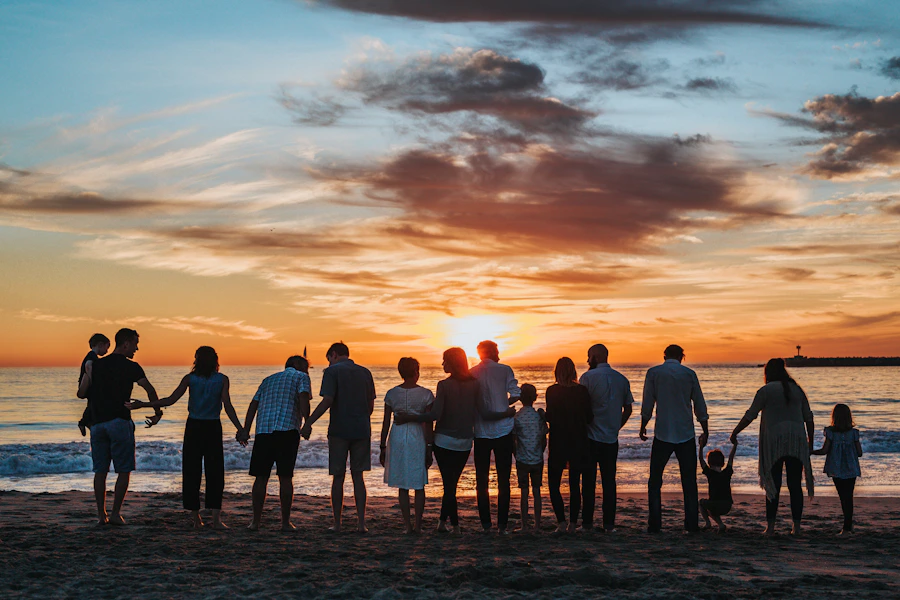
Family-centered wellness and recovery-support concepts, emphasizing relationships, choice, dignity, and qualified service partners.

Voluntary, supported pathways in gardening, food production, farm operations, education, and transitional opportunity—without compulsory or unpaid labor expectations.

Potential individual and optional compatible shared cottages, privacy, accessibility, participant choice, and safeguards for people seeking stability and support.
Illustrative photography only. Program scope is being refined; no clinical services or guide-dog placements are represented as operational.
Each day offers opportunities for residents to choose what is meaningful to them, with support appropriate to individual needs and goals.

Begin the day in a peaceful, accessible home with privacy and independence.

Learn, grow food, care for the land, or participate in other chosen activities.

Enjoy community meals, celebrations, recreation, or a quiet evening of your own.
Choose a stop to see the atmosphere and possibilities envisioned for that part of the campus.

Concept tour illustrated using representative photographs, not actual site photography.
Accessible pathways connect welcoming homes, shared outdoor spaces, and quiet places to rest. Individual cottages and optional shared homes are both being considered.
This conceptual diagram shows relationships between program areas. It is not a surveyed site map, approved layout, or construction plan.
Illustrative relationships only. Site boundaries, ownership, wetlands, access, engineering, and approvals must be verified before any physical layout is finalized.
Accessible cottages, shared spaces, kitchens, recreation, and wayfinding designed for independence and belonging.
Gardens, greenhouses, barns, renewable energy options, water management, food systems, and emergency planning.
Additional housing, education, research partnerships, community facilities, and expanded agricultural programming if feasible.
We believe the most inspiring vision is one shared with clarity and transparency.
Define four missions, participant needs, and the village experience.
Validate land options, partners, environmental constraints, budgets, and services.
Secure approvals and funding, then phase construction and program launch.
Open programs and housing only when safe, staffed, licensed as applicable, and ready.
Volunteers, educators, farmers, accessibility specialists, builders, researchers, donors, community organizations, and neighbors can help shape what comes next.
Research comparable programs, accessibility standards, sustainable farm systems, potential grants, and community needs.
Help with feasibility, architecture, engineering, landscape design, mobility, and environmental stewardship.
Share expertise in agriculture, animal care, education, family support, inclusive recreation, and workforce pathways.
Help build a permission-cleared image library, document milestones, and tell the story of the vision responsibly.
Research funding, introduce potential collaborators, and support outreach and event planning.
Choose a possible contribution and prepare an email to the project team. This version does not collect or store submissions on a server, and it does not automatically assign tasks.
A private, access-controlled leadership dashboard and assignment database are planned features, not active services in this static site.
No. This website describes a proposed village and program vision under development.
No confirmed land acquisition or site control is represented here. Kingston is a proposed planning area and feasibility work remains necessary.
No. They are representative stock photographs used to help illustrate the intended atmosphere. The campus diagram is conceptual and not to scale.
The four mission areas are being defined with attention to participant choice, safety, accessibility, staffing, professional qualifications, and any required licenses or approvals.
Explore volunteer interests above, share relevant expertise, and contact the project team to discuss a potential role.
Not yet. A future secure task system may support applications, approvals, assignments, submitted work, and leadership review. The current site does not have a live task database.